

Creating a sanctuary at home starts with the palette you choose for your most private spaces. Bathroom earth tones have surged in popularity because they move away from the clinical, cold whites of the past decade and embrace a sense of grounded tranquility. By drawing inspiration from the natural world—think sun-baked clay, mossy forests, and sandy shores—you can transform a functional room into a restorative escape.
Whether you’re planning a full renovation or a simple weekend refresh, integrating a natural bathroom palette provides a timeless aesthetic that feels both modern and lived-in. In this comprehensive guide, we’ll explore over 30 ways to master the earth-tone trend, ensuring your bathroom feels warm, organic, and effortlessly stylish.
Why Bathroom Earth Tones are the Ultimate Wellness Choice
Designers are increasingly leaning toward “biophilic design,” which connects indoor environments to the outdoors. Using bathroom earth tones isn’t just a color choice; it’s a mood-setter. These hues are known to lower cortisol levels and provide a sense of stability.
When you step into a room filled with warm neutrals and sandy beige, your eyes relax. Unlike high-contrast black-and-white schemes, earth tones offer soft transitions that mimic the natural horizon. This approach works exceptionally well in bathrooms where lighting is often artificial, as these colors absorb and reflect light in a way that feels soft rather than harsh.
The Psychology of Earthy Bathroom Colors
Each shade within the earth-tone spectrum carries a different emotional weight:
- Terracotta: Provides warmth and energy, reminiscent of Mediterranean summers.
- Sage Green: Promotes healing and renewal.
- Brown: Offers a sense of security and “groundedness.”
- Beige and Cream: Deliver clarity without the starkness of pure white.
Defining the Natural Bathroom Palette: Key Colors and Textures
Before diving into specific ideas, it’s essential to understand what constitutes a successful earthy bathroom colors scheme. It isn’t just about the paint on the walls; it’s about the layering of materials.
The Foundation Colors
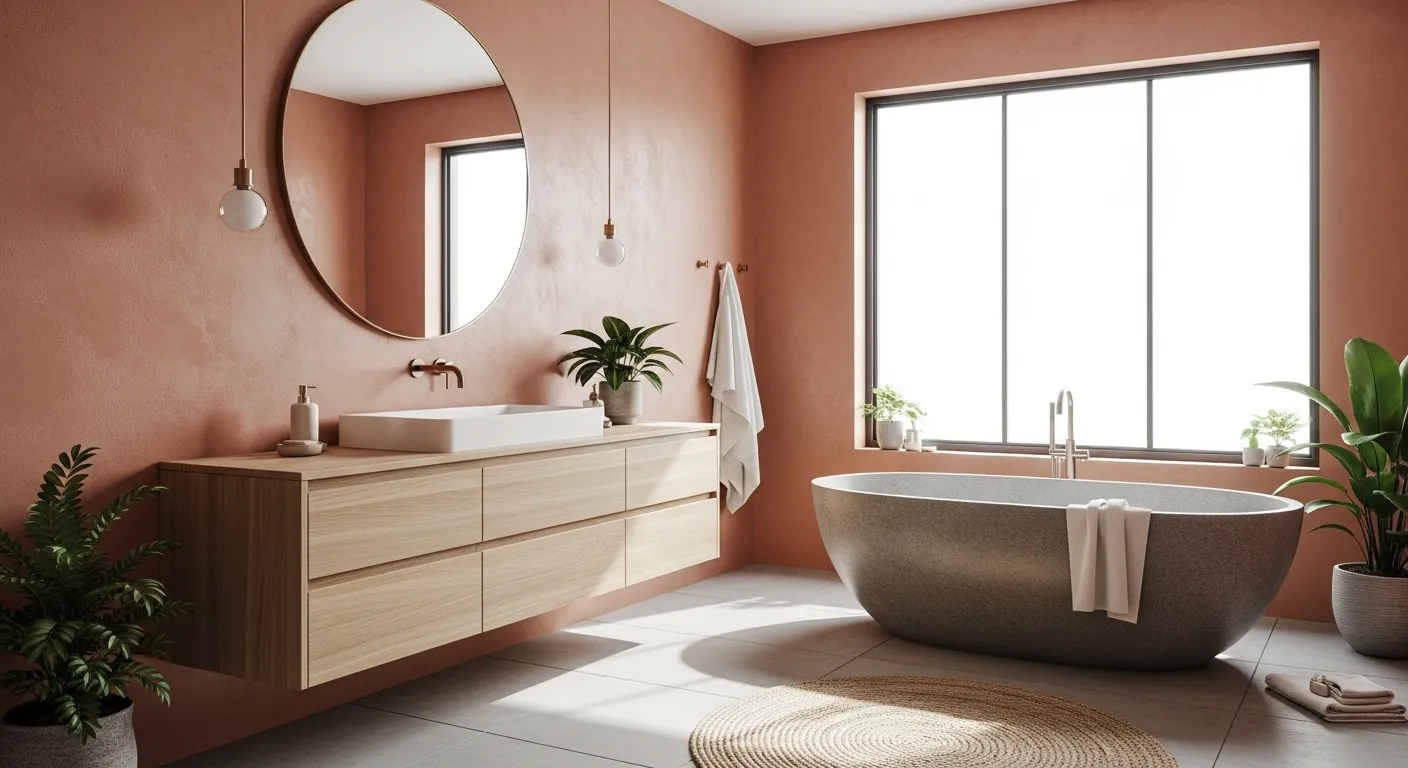
To build your palette, start with a base of two or three primary tones. A popular combination is sandy beige paired with terracotta bathroom accents. This creates a high-end “desert modern” look that feels incredibly current.
| Color Category | Common Shades | Best Use Case |
| Warm Neutrals | Oatmeal, Mushroom, Putty | Large surfaces like floor tiles or walls. |
| Deep Earth | Chocolate Brown, Umber, Charcoal | Accent walls, cabinetry, or hardware. |
| Organic Greens | Olive, Moss, Sage | Backsplashes, towels, or indoor plants. |
| Clay Tones | Rust, Terracotta, Sienna | Feature tiles or decorative pottery. |
Materiality Matters
An organic design is nothing without texture. To prevent brown bathroom ideas from looking muddy or flat, you must introduce varied surfaces. Think of a matte stone sink sitting atop a grain-heavy wood vanity, or a linen shower curtain hanging next to glossy zellige tiles.
30+ Design Ideas to Master Bathroom Earth Tones
1. The Power of Plaster (Tadelakt)
Tadelakt is an ancient Moroccan plaster technique that is naturally waterproof and features a beautiful, seamless finish. In a natural bathroom palette, a soft tan or dusty rose tadelakt wall eliminates grout lines and creates a soft, tactile environment.
2. Terracotta Floor Tiles
Nothing says “earthy” like baked clay. Use large-format terracotta hex tiles for a modern twist on a classic material. They feel wonderful underfoot, especially if you have radiant floor heating installed.
3. Reclaimed Wood Vanities
Bring the forest indoors by repurposing a piece of antique wood furniture as a vanity. The natural knots and imperfections in the wood provide a focal point that anchors the bathroom earth tones throughout the rest of the room.
4. Layered Warm Neutrals
Don’t just pick one beige—pick three. Layering “oatmeal” walls with “burlap” towels and “sand” floor mats creates a sophisticated, monochromatic depth that feels intentional rather than accidental.
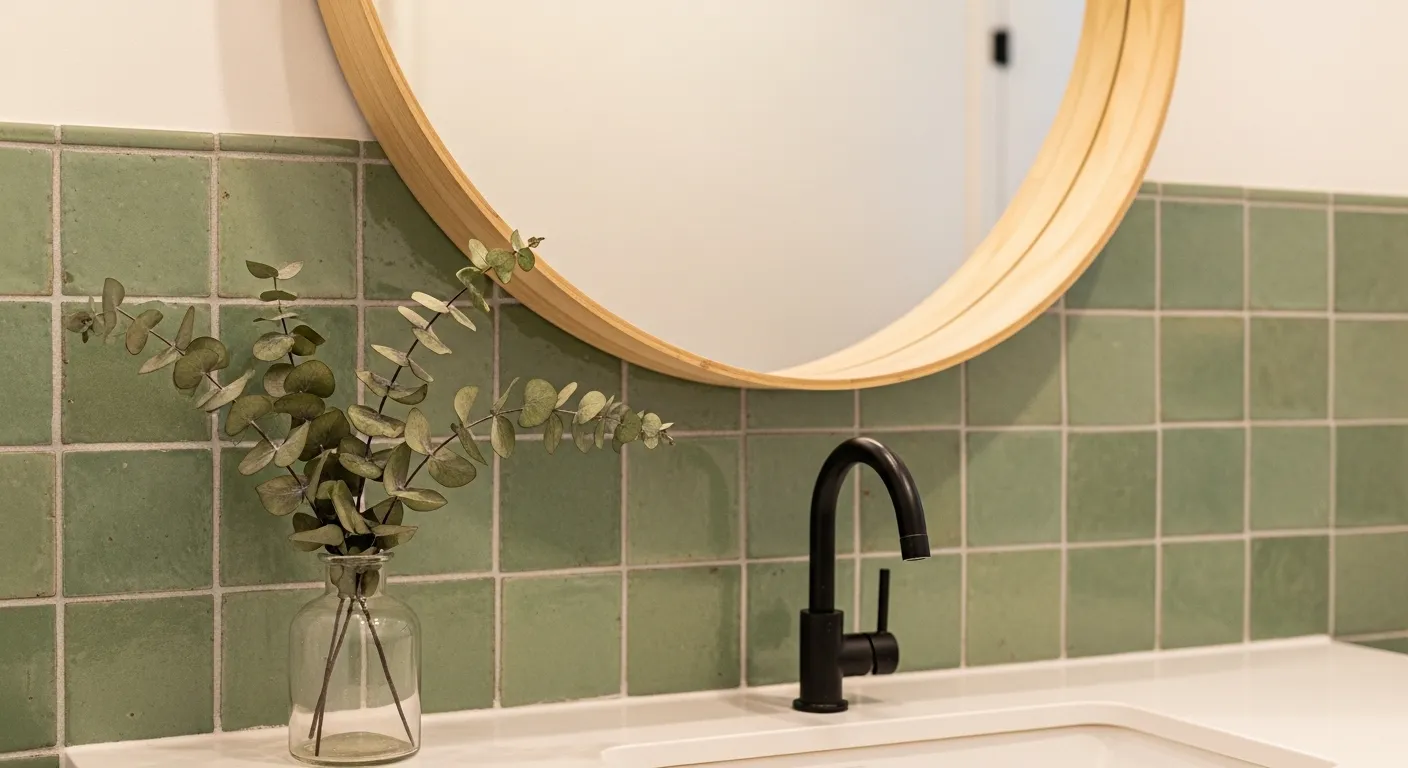
5. Sage Green Accents
Green is the “neutral” of the natural world. Adding sage green subway tiles in a vertical stack provides a contemporary feel while keeping the room’s energy grounded and fresh.
6. Travertine Everything
Travertine is making a massive comeback. Its porous look (even when filled) and creamy swirls of tan and gold make it the king of the natural bathroom palette. Use it for the shower walls to create a cavernous, spa-like feel.
7. Matte Black Hardware for Contrast
While earth tones are soft, they need a bit of “edge” so they don’t look dated. Matte black faucets and towel racks provide a sharp contrast against sandy beige walls, giving the room a modern definition.
8. The “Warm Minimalist” Approach
Keep the clutter at bay and let the colors speak. A simple concrete resin sink in a charcoal grey paired with a single wooden shelf embodies the warm minimalist aesthetic perfectly.
9. Burnt Orange Textiles
If you aren’t ready to commit to tile, use textiles. Rust-colored Turkish towels and a matching bath rug can instantly warm up a white bathroom and introduce a terracotta bathroom vibe without the renovation cost.
10. Pebblestone Shower Floors
Walk on a riverbed every morning. Pebblestone floors provide natural slip resistance and an incredible texture that complements any earthy bathroom colors.
11. Chocolate Brown Cabinetry
Move away from grey or white cabinets. Deep brown bathroom ideas involving walnut or stained oak provide a richness that feels masculine yet cozy.
12. Copper Fixtures
Copper naturally patinas over time, changing its hue just like elements in nature. It pairs beautifully with deep greens and warm tans.
13. Jute and Seagrass Storage
Storage is key in any bathroom. Use jute baskets for toilet paper or seagrass bins for toiletries. These organic fibers add a necessary layer of “rough” texture to the space.
14. Linen Window Treatments
Ditch the plastic blinds. Soft, oatmeal-colored linen Roman shades filter light beautifully, casting a warm glow over your bathroom earth tones.
15. Zellige Tile Brilliance
Handmade Zellige tiles have color variations within every single piece. A wall of “desert sand” Zellige tiles will shimmer with different shades of cream and tan as the light changes throughout the day.
16. Floating Stone Slabs
Instead of a standard countertop, use a thick slab of limestone or granite with a chiseled edge. This emphasizes the raw, unrefined beauty of the earth.
17. Indoor Potted Trees
If space allows, a large potted plant like a Fiddle Leaf Fig or a Dracaena adds literal life to your natural bathroom palette. The vibrant green pops against the muted browns.
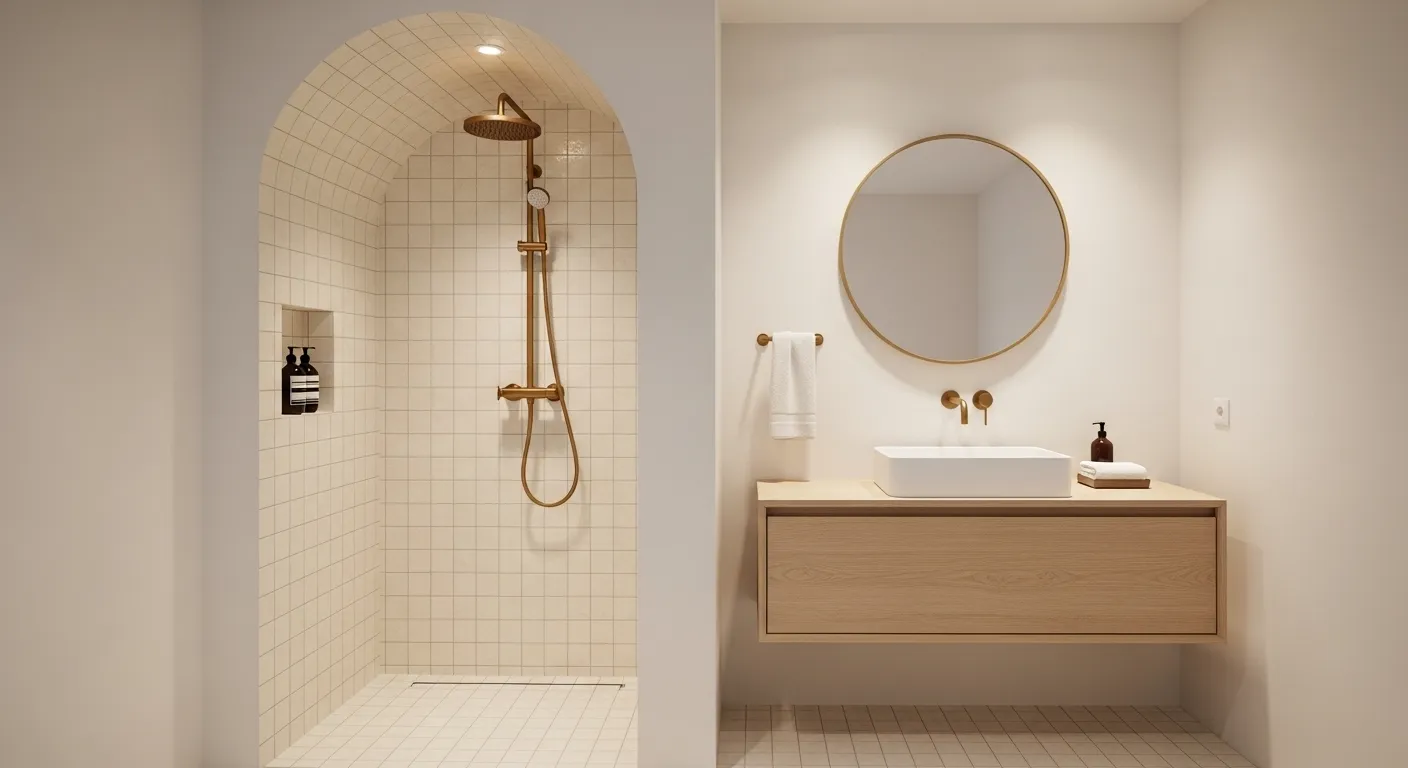
18. Arched Doorways and Niches
Nature doesn’t have many straight lines. Incorporating soft arches in your shower entry or wall niches mimics the curves of caves and hillsides.
19. Woven Pendant Lighting
Replace harsh recessed lighting with a woven rattan or wicker pendant light. The shadows cast by the weave add a dramatic, cozy texture to the evening.
20. Raw Brass Details
Unlike polished chrome, raw brass has a duller, warmer sheen that fits perfectly with a nature-inspired theme.
21. Charcoal Grey Basalt
For those who prefer a darker palette, basalt stone provides a deep, volcanic grey that feels incredibly grounded. It’s a sophisticated alternative to blue or black.
22. Sand-Pebble Wall Accents
Use a strip of vertical pebble tile in the shower to break up large expanses of flat tile. It adds a tactile element that draws the eye.
23. Amber Glass Apothecary Jars
Small details count. Transfer your soaps and shampoos into amber glass bottles. The warm brown glass looks stunning on a wooden shelf.
24. Moss Wall Art
Preserved moss frames are a great way to add greenery without the maintenance. They thrive in bathroom humidity and reinforce the organic design theme.
25. Limestone Flooring
Limestone is softer and warmer to the touch than porcelain. Its muted tones provide the perfect backdrop for warm neutrals.
26. Eucalyptus Bundles
Hang a bundle of fresh eucalyptus from your shower head. The steam releases the oils, and the dusty green leaves are a beautiful natural accent.
27. Cork Bath Mats
Cork is sustainable, naturally anti-microbial, and perfectly fits the natural bathroom palette. It’s also much warmer for your feet than a traditional rug.
28. Sandstone Feature Wall
If you have a large master bath, a feature wall made of stacked sandstone creates a dramatic, earthy focal point.
29. Terracotta Soap Dishes and Trays
Small pops of clay can be introduced through accessories. A handmade terracotta tray to hold your jewelry or soap adds artisanal charm.
30. Dusk-Colored Grout
Don’t use white grout with earthy tiles. Choose a “mushroom” or “tobacco” colored grout to blend the lines and make the surface look more continuous and natural.
Pro Tips for Balancing Earth Tones
While we love a good terracotta bathroom, it is possible to have too much of a good thing. To keep your space looking like a designer showroom and not a literal mudroom, follow these expert tips:
Pro Tip: Use the 60-30-10 rule. 60% of the room should be your primary neutral (like sandy beige), 30% should be your secondary texture or color (like wood or sage), and 10% should be your bold accent (like matte black hardware or deep burnt orange).
- Mind the Lighting: Earth tones can look “muddy” in poor lighting. Use bulbs with a “Warm White” rating (around 3000K) to enhance the golden undertones of your palette.
- Balance “Heavy” with “Light”: If you have dark chocolate brown cabinets, use a very light cream tile to prevent the room from feeling small or cave-like.
- Don’t Forget White: Even in an earth-toned room, a crisp white towel or a white porcelain toilet provides a necessary visual “clean” spot that anchors the other colors.
Common Mistakes When Using Earthy Bathroom Colors
Avoid these frequent pitfalls to ensure your renovation stays on track:
- Ignoring Undertones: Not all beiges are created equal. Some have pink undertones, while others have green or yellow. Always look at your paint and tile samples together under the same light.
- Over-Using Matte Finishes: If every surface is matte, the room can feel “flat.” Add at least one reflective surface, like a mirror with a metallic frame or a few glossy tiles, to bounce light around.
- Neglecting Contrast: If your floor, walls, and vanity are all the exact same shade of tan, the room will lose all its architectural detail. Aim for at least two shades of difference between adjacent surfaces.
- Skipping the Greenery: Because earth tones are so heavily based on wood and stone, they can feel “dry.” Living plants add moisture and a necessary biological element to the design.
Implementing Earth Tones in Small Bathrooms
Many homeowners worry that brown bathroom ideas will make a small space feel even smaller. However, the opposite can be true. Deep, warm colors can make the walls “recede,” creating an intimate, cozy atmosphere rather than a cramped one.
For small spaces, focus on sandy beige and warm neutrals for the walls. Use a large mirror to double the visual space and reflect the earthy textures. A floating wood vanity is another great trick—seeing more of the floor makes the room feel larger while still introducing those organic wood grains.
According to a report by the National Kitchen & Bath Association (NKBA), organic and nature-inspired themes are currently the top choice for master suite renovations. Their data suggests that homeowners are moving away from the “all-white” look in favor of palettes that feel more “human” and “tactile.”
Frequently Asked Questions (FAQ)
1. Are earth tones going out of style for bathrooms?
No. In fact, they are considered a “new classic.” Because they are based on natural materials like stone and wood, they don’t follow the same trend cycles as neon or pastel colors. They provide a timeless appeal that ages gracefully.
2. What color hardware looks best with earth tones?
Brushed gold, champagne bronze, and matte black are the top choices. Avoid bright, polished chrome, as it can look too “cool” and clinical against the warmth of a natural bathroom palette.
3. Can I use earth tones in a bathroom with no windows?
Yes! In windowless bathrooms, use lighter earth tones like oatmeal or sand. Ensure you have layered lighting (overhead, vanity, and perhaps an LED strip under the cabinet) to keep the colors looking vibrant.
4. Is terracotta hard to maintain in a bathroom?
Real terracotta is porous, so it must be properly sealed to prevent water stains. However, many manufacturers now offer porcelain tiles that look exactly like terracotta but are completely waterproof and maintenance-free.
5. How do I make a brown bathroom look modern?
The key to modern brown bathroom ideas is clean lines and high-quality materials. Pair deep brown wood with minimalist hardware and plenty of white or cream to keep the look sophisticated and fresh.
6. What plants thrive in an earthy bathroom?
Snake plants, Pothos, and ZZ plants are excellent. They handle the humidity well and their deep green leaves perfectly complement a terracotta bathroom or sandy beige walls.
Conclusion: Crafting Your Natural Sanctuary
Embracing bathroom earth tones is about more than just a renovation; it’s about creating a space that nurtures your well-being. By combining the warmth of terracotta bathroom accents with the sophisticated calm of sandy beige and organic design, you can build a room that feels like a permanent vacation.
Remember that the most successful spaces are those that tell a story through texture and tone. Don’t be afraid to mix your stones, layer your linens, and bring in the greenery. Your bathroom is the first thing you see in the morning and the last thing you see at night—make sure it feels like home.
Would you like me to create a custom 3D mood board or a shopping list for the specific materials mentioned in this guide?
